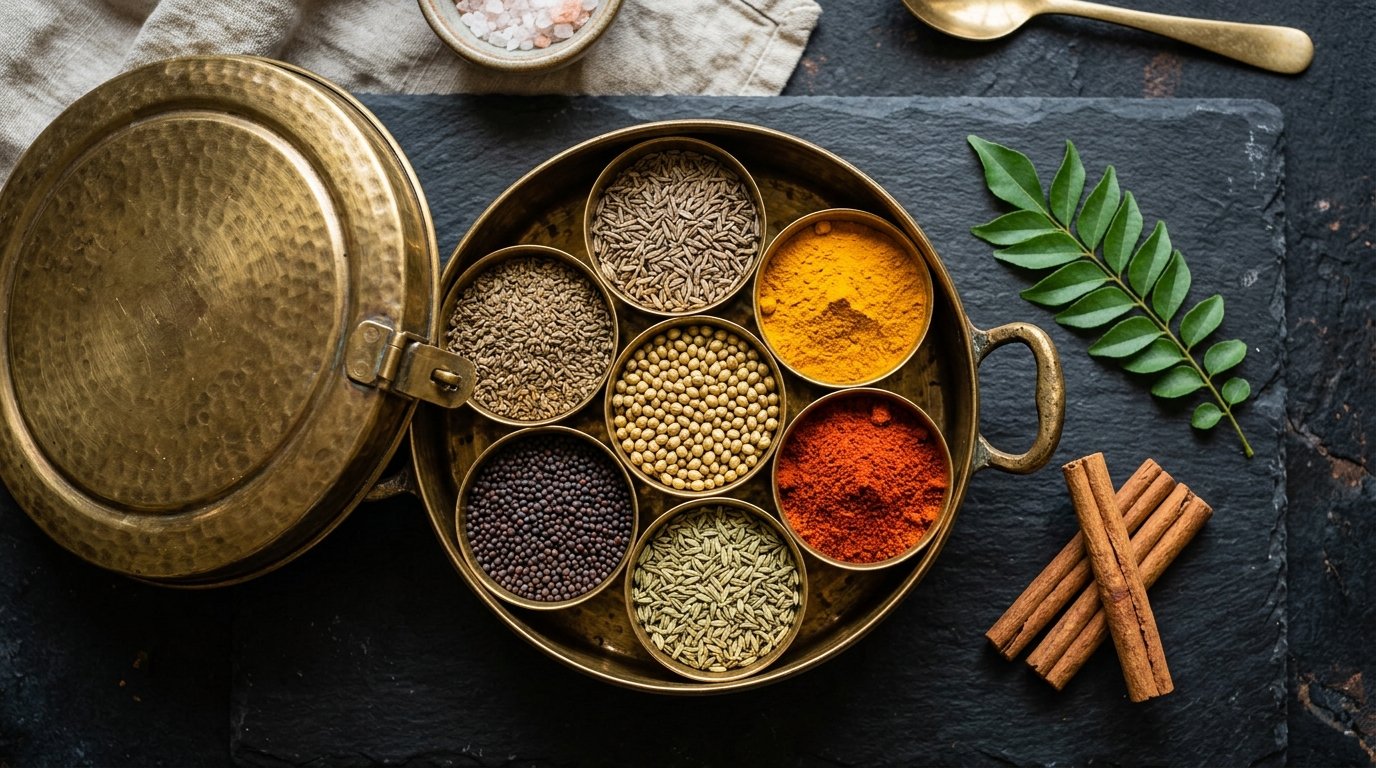
Spices are valued for their distinctive aromas, rich colours, and authentic flavours. However, improper storage can gradually reduce these qualities. Exposure to air, moisture, heat, and sunlight can affect spice freshness and overall quality.
Whether you use spices at home or manage commercial spice inventory, appropriate storage practices are essential. Here are some practical ways to maintain spice quality.
1. Use Airtight Containers
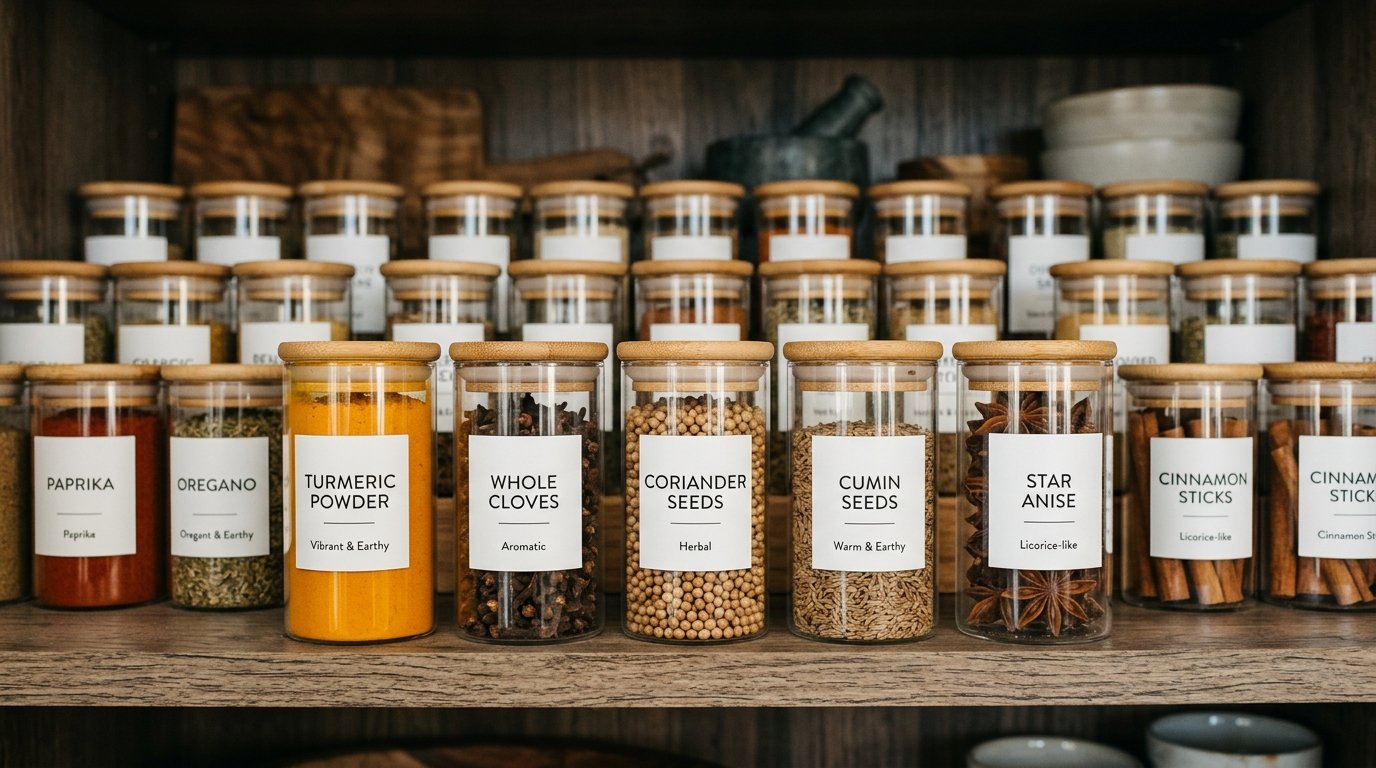
Air exposure can contribute to the gradual loss of aromatic compounds. Storing spices in properly sealed containers helps protect their flavour and aroma.
Glass jars, food-grade containers, and suitable sealed packaging are common options. Always ensure containers are clean and completely dry before filling them.
2. Keep Spices Away from Moisture
Moisture is one of the most important factors to control during spice storage. Excess moisture can encourage clumping, spoilage, and microbial growth.
Store spices in a dry environment and avoid using wet spoons. Keep containers closed when not in use.
3. Avoid Direct Sunlight
Prolonged exposure to sunlight may affect the colour and aromatic properties of certain spices. Store spices in cupboards, enclosed shelves, or other areas protected from direct sunlight. This is especially important for colourful ground spices such as turmeric and red chilli powder.
4. Protect Spices from Heat
High temperatures can accelerate the loss of volatile aromatic compounds. Avoid storing spice containers directly beside stoves, ovens, or other heat sources. Choose a cool, dry storage area with relatively stable temperatures.
5. Store Whole and Ground Spices Appropriately
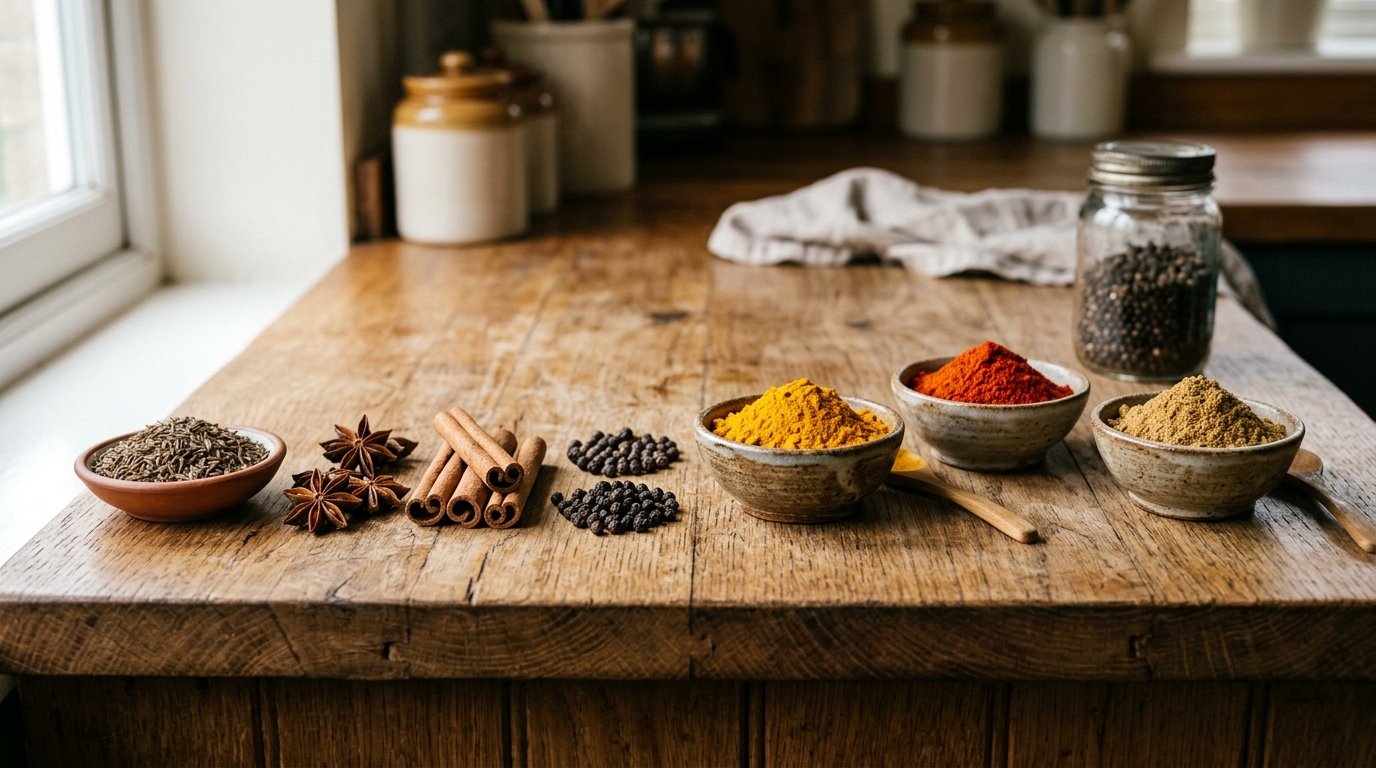
Whole spices generally retain their aromatic characteristics longer than ground spices because less surface area is exposed to air. Ground spices are more sensitive to environmental conditions and benefit from careful sealing.
For maximum flavour, consider grinding whole spices in small quantities when needed.
6. Label Your Containers
Proper labelling makes spice management easier. Useful information includes: spice name, purchase date, packaging date (where available), best-before date, and batch information for commercial inventory.
7. Follow Recommended Shelf-Life Guidelines
Different spices have different storage characteristics. Always follow the manufacturer’s storage instructions and best-before information. Inspect spices regularly for unusual odours, visible mould, moisture damage, or other signs of deterioration.
Conclusion
Proper spice storage is a simple but important part of maintaining product quality. By controlling air exposure, moisture, heat, and sunlight, you can help preserve the natural characteristics that make spices valuable.
At Samarth Spices, we believe quality should be maintained throughout the journey from sourcing to storage and final use.
Preserve Flavour at Every Step
Discover farm-fresh whole and ground spices packaged to seal in long-lasting freshness and aroma.