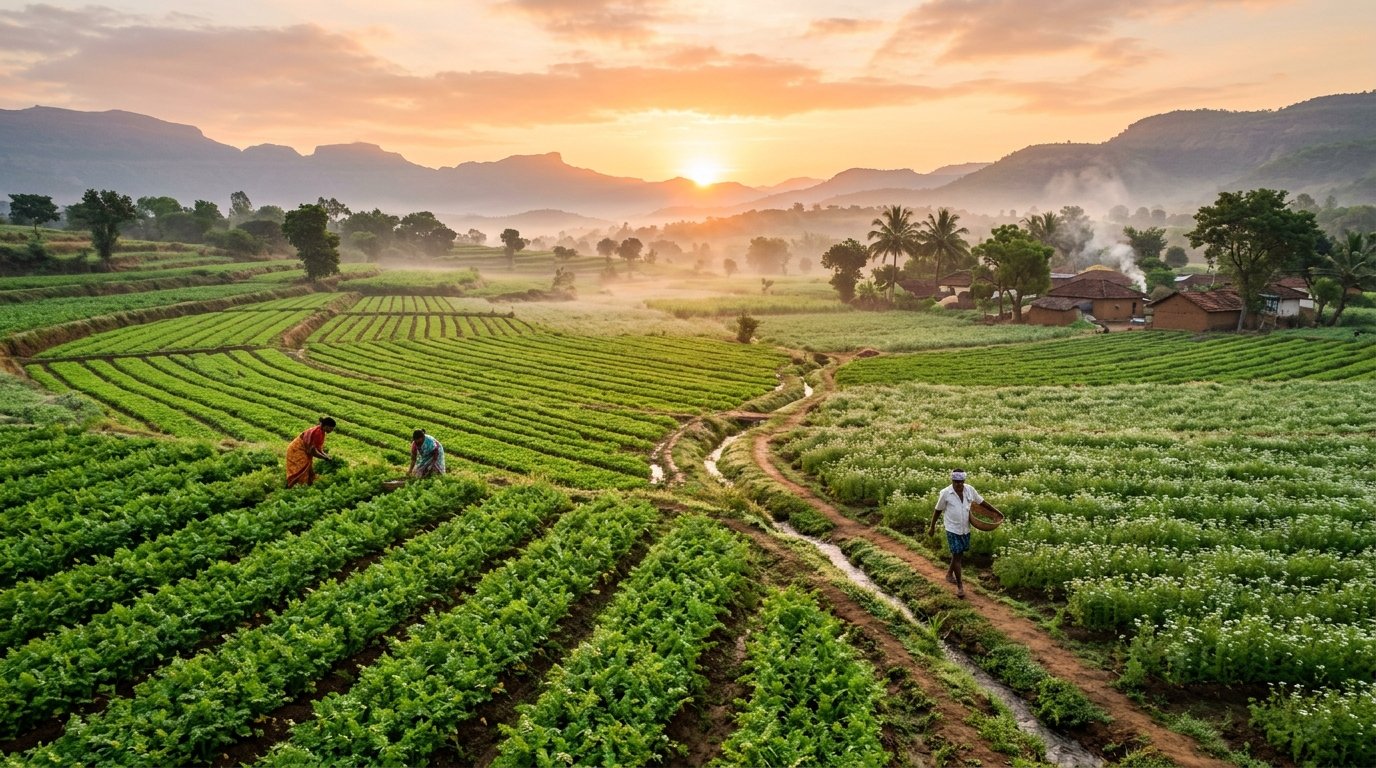
India has a rich agricultural heritage and a long history of cultivating and trading spices. From traditional farming communities to modern distribution networks, the spice industry connects agricultural production with domestic and international markets.
For spice businesses, quality sourcing is one of the most important factors influencing product consistency, availability, and customer satisfaction.
At Samarth Spices, our approach is rooted in agricultural experience and strong connections with farming communities.
1. Quality Begins at the Source
The quality of a spice is influenced by numerous agricultural factors, including growing conditions, crop variety, harvesting practices, post-harvest handling, drying methods, and storage conditions.
Understanding these factors helps sourcing businesses make informed procurement decisions. Selecting suitable raw materials is an important foundation for consistent finished products.
2. Strong Farmer Relationships Create Value
Farmers are central to the spice supply chain. Building dependable relationships with agricultural producers can improve communication, sourcing transparency, and long-term cooperation.
Farmer Producer Organisations (FPOs) also play an important role in connecting groups of farmers with commercial opportunities. At Samarth Spices, we value relationships that support dependable sourcing and mutual growth.
3. Consistent Quality Supports Business Growth
For wholesalers, distributors, retailers, and food manufacturers, consistency is essential. Businesses often require spices with predictable characteristics, including appearance, colour, aroma, flavour, moisture levels, and purity specifications.
Consistent sourcing and suitable quality evaluation can help suppliers meet these expectations.
4. Reliable Supply Strengthens Partnerships
Availability is another important consideration for spice buyers. Agricultural products can be affected by seasonal conditions, crop yields, weather patterns, and market demand.
Maintaining strong sourcing networks helps businesses respond to changing supply conditions. Reliable communication and realistic supply commitments are essential for developing lasting commercial relationships.
5. Transparency Builds Trust
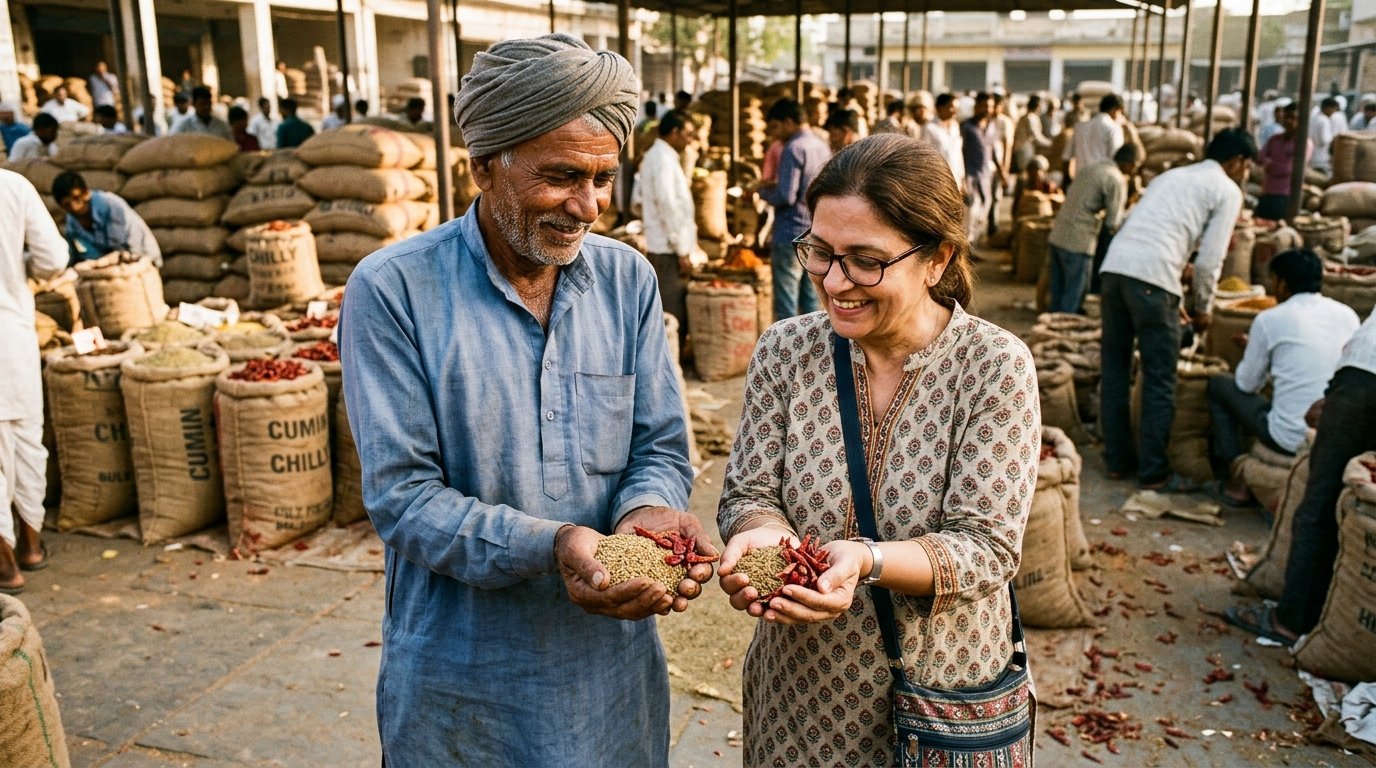
Transparency plays a significant role in business-to-business spice trading. Clear communication regarding product specifications, packaging, quantities, and delivery expectations helps reduce misunderstandings. Trust is developed through consistent performance and responsible business practices.
6. Connecting Traditional Knowledge with Modern Practices
The Indian spice industry benefits from generations of agricultural knowledge. Modern cleaning, processing, quality evaluation, packaging, and logistics practices can complement this experience.
Combining traditional agricultural understanding with appropriate modern methods helps businesses meet evolving market requirements. At Samarth Spices, this balance forms an important part of our long-term approach.
7. Building a Sustainable Future
Long-term growth in the spice industry depends on strong relationships throughout the agricultural supply chain. Responsible sourcing decisions, efficient resource use, and dependable partnerships can contribute to a more resilient industry.
Conclusion
Quality sourcing is more than a procurement activity. It is the foundation of dependable spice supply and long-term business relationships.
By focusing on agricultural connections, product quality, and transparent communication, spice businesses can build stronger relationships across the market.
At Samarth Spices, our commitment is to connect quality, trust, and tradition while supporting the journey of authentic Indian spices from farms to markets.
Looking for Reliable Bulk or Wholesale Spice Supply?
Partner with Samarth Spices for transparent sourcing, dependable quality, and direct agricultural connections.